By Josh Edwards
April 13, 2026
Making the right choice for your roof material is pivotal to ensuring your home's longevity, aesthetic, and resale value. This article will explore the benefits and drawbacks of slate, metal, and asphalt shingles to help you make an informed decision.
Overview of Roofing Materials
The Importance of Roofing Material Selection
The roofing material you choose is crucial for the protection and comfort of your home. It affects not only the durability and maintenance frequency but also the overall aesthetics of your house. Roofs should be selected based on a balance between aesthetics and practicality. A well-chosen roof complements the home's architecture, increasing its curb appeal and potential market value. Moreover, a suitable material can better withstand the environmental factors specific to your local climate.
Commonly Used Roofing Materials
Several materials are popular choices for residential roofing, including slate, metal, and asphalt shingles. Asphalt shingles are perhaps the most common due to their affordability and ease of installation. Slate, known for its elegance, is often selected by those seeking a traditional appearance, though it tends to be pricier and more labor-intensive to install. Metal roofs are gaining traction due to their modern look and longevity, as well as their eco-friendly properties. Each material has its unique qualities that cater to different needs and preferences of homeowners.
Factors Influencing Material Choices
Choosing the right roofing material involves considering several factors such as climate, budget, and maintenance needs. Climate plays a significant role, as certain materials hold up better against harsh weather conditions like extreme heat, heavy snow, or high winds. Budget constraints often nudge homeowners towards more economical options, though this can sometimes mean sacrificing longevity or aesthetic appeal. Additionally, personal preferences related to maintenance and appearance also drive decisions. Homeowners should carefully weigh these factors against each other to arrive at the best choice for their circumstances.
Geographical Considerations
Geographic location is a key factor in determining the best roofing material for your home. Coastal areas, for example, often require materials that resist salt corrosion, such as certain types of metal roofing. Areas with heavy snowfall benefit from roofing with a steeper slope or materials that do not allow snow to settle easily. Conversely, regions with extreme heat may prioritize materials that offer better insulation and reflectivity. Understanding how local weather patterns impact your roof's longevity and performance is essential when selecting the appropriate material.
Cost Implications
Cost is a major factor when deciding on roofing material, as it not only includes initial outlays but also long-term expenses. Installation costs can vary significantly; for example, slate tends to have higher labor costs due to its weight and installation complexity. Long-term costs, such as maintenance and repairs, should also be considered. Moreover, certain materials may offer better energy efficiency which can reduce utility bills over time. Therefore, it's vital for homeowners to consider not just the immediate expenditure but the ongoing financial implications of their choice.
Durability and Longevity
Durability of Slate Shingles
Slate shingles are known for their outstanding durability, often lasting over a century if properly maintained. This longevity can justify their higher initial cost, especially because according to the National Association of Home Builders, the average home size in the U.S. is 2,647 square feet, meaning the roof is also 2,647 square feet, or 26.47 squares. They are naturally resistant to fire, mold, and severe weather, making them a reliable choice in various environments. However, slate is heavy and may require additional structural support to accommodate its weight. While offering long-lasting value, it necessitates professional installation and occasional repairs due to individual broken slates.
Metal Shingles: Lifespan and Wear
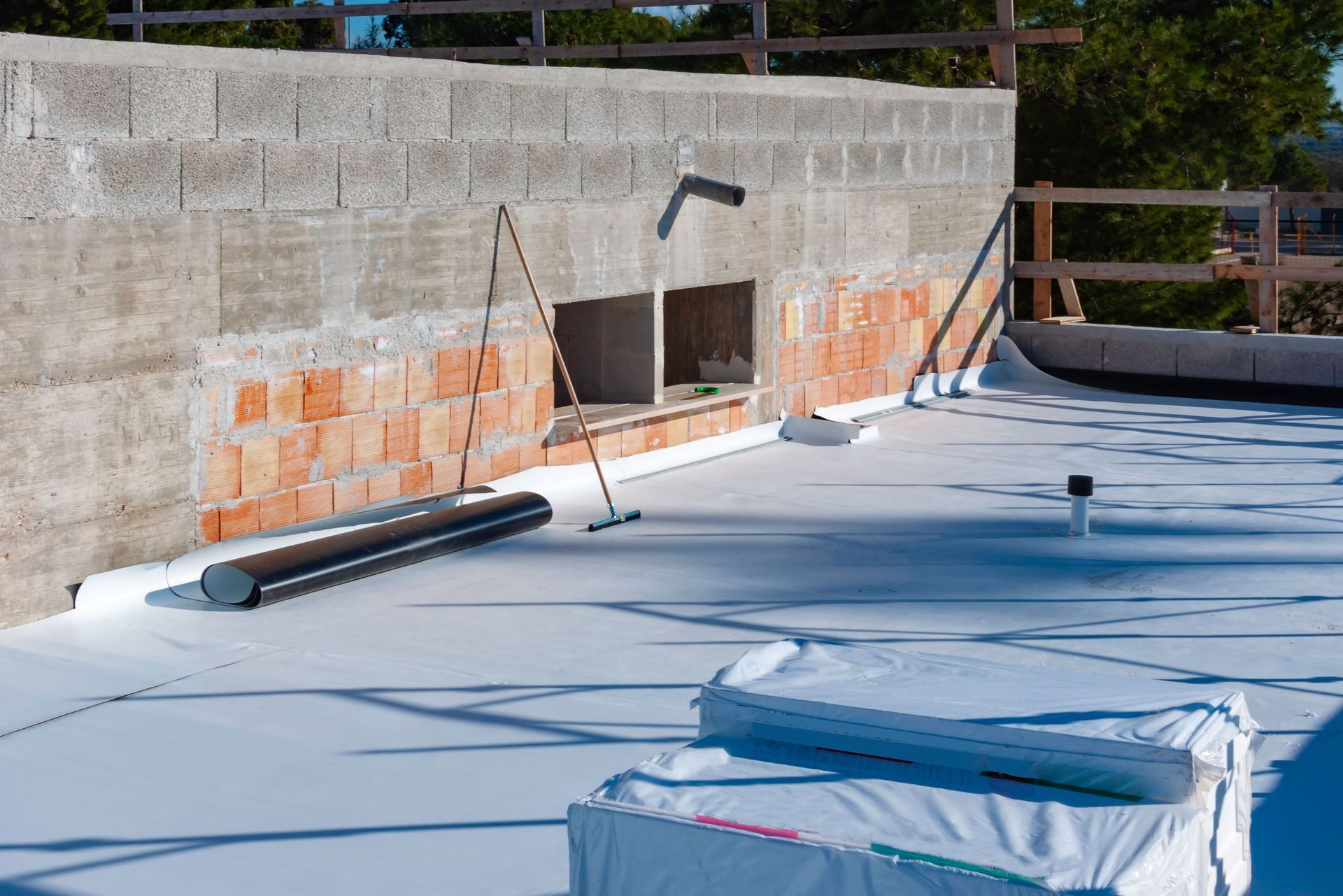
Metal shingles boast impressive longevity, with lifespans typically ranging from 40 to 70 years. This makes them a cost-effective option over time despite a higher initial investment. Metal's lightweight nature reduces the pressure on your home's structure, allowing for simpler installation. Although it's resistant to almost all weather conditions, its major drawback can be noise from rain or hail unless adequately insulated. Regular maintenance helps address potential issues like oxidation or paint chipping, further extending the roof's lifespan.
Asphalt Shingles: A Discussion on Endurance
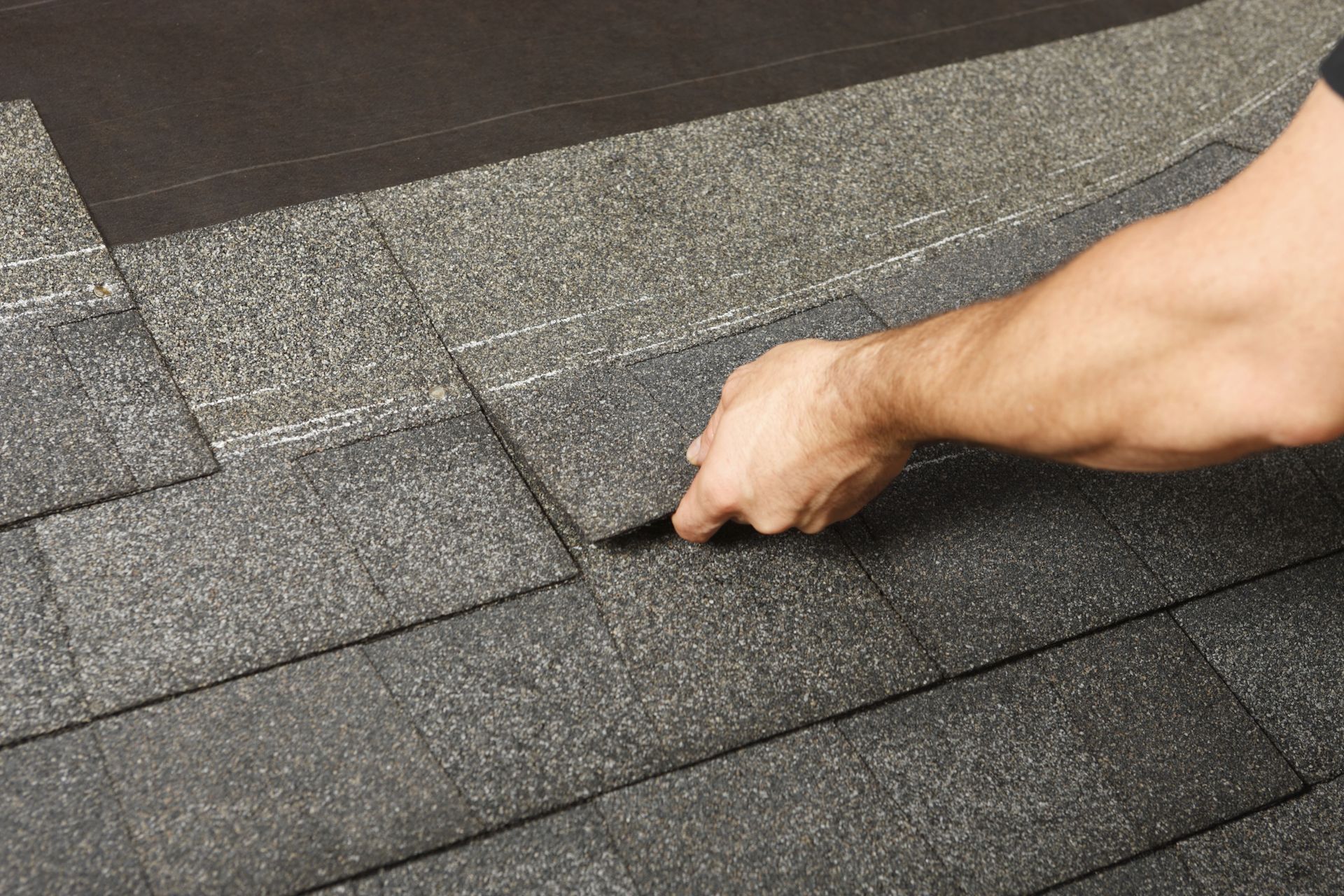
Asphalt shingles are a popular choice due to their affordability and ease of installation, but they offer a shorter lifespan. Asphalt shingles can withstand various weather conditions, though they may be less durable in extreme climates. Over time, exposure to sunlight can lead to weakening and fading, potentially necessitating earlier replacement than other materials. While maintenance costs are low, the frequency of repairs or replacements can add up.
Comparing Resistance to Weather Elements
Weather resistance varies significantly among slate, metal, and asphalt shingles. Slate's density makes it exceptionally fireproof and impervious to rain and snow, while metal excels in both hot and cold climates due to its thermal conductivity and reflectivity. Asphalt shingles offer moderate weather resistance but may underperform in areas with frequent and heavy storms. Moreover, the high winds can dislodge or damage lighter shingles, causing potential leaks. When selecting a roofing material, it's crucial to assess the specific weather challenges of the region to ensure long-term resilience.
Aesthetic Appeal
The Timeless Look of Slate
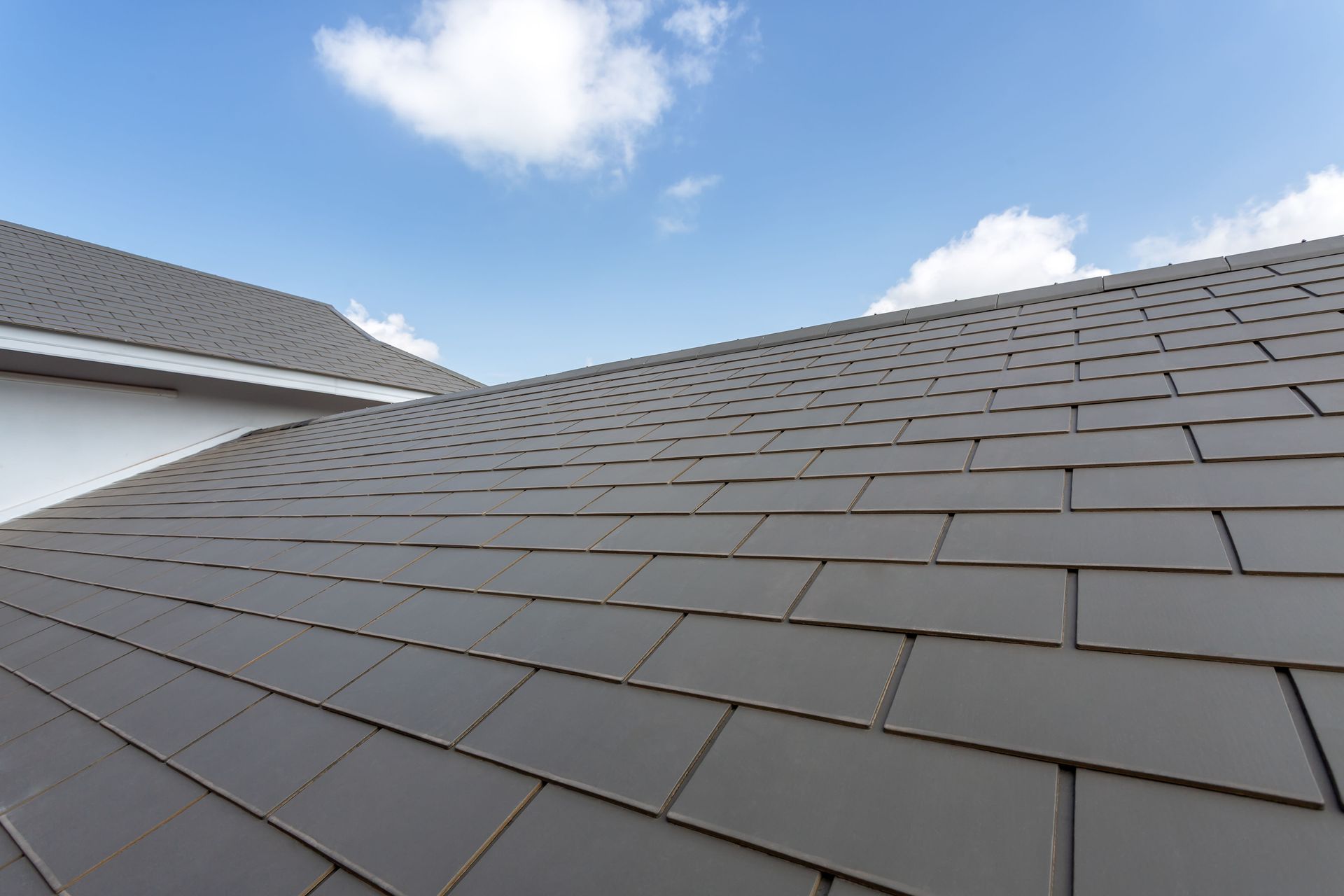
Slate is appreciated for its classic and timeless appearance, which can significantly enhance a home's elegance and architectural appeal. Its natural stone texture and color variations allow for a unique look that complements traditional and historic styles. Slate's aesthetic appeal comes with the bonus of being a natural product, contributing a sense of sophistication and permanence. The curb appeal of slate can be particularly advantageous when selling a home, as many buyers appreciate its traditional charm. However, the associated cost can be a deterrent for some homeowners.
Modern and Sleek: The Metal Roof Look
Metal roofs are synonymous with modern and contemporary home designs, characterized by their sleek, clean lines and availability in a broad range of colors and finishes. They can enhance the aesthetic of minimalist and modern homes, providing a sharp contrast to natural surroundings. The wide variety of available styles allows homeowners to mimic more traditional appearances while retaining metal's functional benefits. While initially viewed as industrial, improvements in design technology have made metal roofs a favorite for both urban and rural settings. The reflective properties of metal roofs can also boost a home's energy efficiency, contributing to their growing popularity.
Asphalt Shingles: Versatile and Customizable
Asphalt shingles offer a versatile choice, accommodating various home styles and design preferences. Their wide range of colors, shapes, and sizes allows homeowners to achieve an aesthetically pleasing finish that can mimic more expensive materials. While not as durable as slate or metal, they provide an economical way to boost curb appeal. Customizability ensures that asphalt shingles remain a popular choice for budget-conscious homeowners.
Design Flexibility between Materials
Each roofing material brings different levels of design flexibility, influencing its integration with various architectural styles. Slate offers a classic aesthetic perfect for historical or luxury homes, while metal is versatile, suiting both modern and rustic designs. Asphalt provides the most flexibility due to its vast range of styles and colors, making it suitable for almost any home. Understanding the intended architectural outcome helps determine the best material for your roof. Balancing design aspirations with practical considerations is crucial in any remodeling project.
Choosing the right roofing material requires careful consideration of various factors such as durability, cost, environmental impact, and aesthetics. By weighing the pros and cons of slate, metal, and asphalt shingles, homeowners can select a material that best fits their needs and enhances the value of their property. If you're looking for reliable roofing services, contact Mattucci Roofing today.