Architectural asphalt shingles have become one of the most popular roofing materials for residential properties because they combine durability, attractive designs, and affordability. Unlike traditional three-tab shingles, architectural shingles feature multiple layers that create a dimensional appearance while providing greater resistance to weather and everyday wear. According to Global Growth Insights, architectural asphalt shingles account for more than 70% of residential roofing materials, demonstrating their widespread popularity among homeowners. Understanding the advantages and limitations of these shingles can help property owners make informed decisions before investing in a new roof. Working with experienced roofers also ensures the roofing system is installed according to manufacturer specifications, allowing homeowners to maximize both performance and longevity.
1. Understanding Architectural Asphalt Shingles
Architectural asphalt shingles are manufactured with multiple layers of asphalt and fiberglass, giving them greater strength than standard shingles. Their layered construction creates a thicker profile that resembles premium roofing materials such as cedar shakes or slate without the associated cost. Homeowners appreciate their ability to enhance curb appeal while remaining practical for a wide variety of climates.
Many manufacturers also offer extensive warranties, reflecting confidence in the material's long-term performance. Modern production methods continue to improve durability, color retention, and weather resistance, making these shingles an appealing option for both new construction and roof replacement projects.
2. Outstanding Durability and Weather Resistance
One of the biggest benefits of architectural asphalt shingles is their durability. Most products have an expected lifespan of 20 to 30 years, with some lasting even longer when properly maintained. Factors such as installation quality, local climate, attic ventilation, and regular inspections all influence their overall service life.
These shingles are engineered to withstand demanding weather conditions including heavy rain, hail, snow, and strong winds. Many premium products are rated to resist winds of up to 130 miles per hour when installed correctly. Their thicker construction also provides better protection against impact damage than traditional three-tab shingles.
Professional roofers understand how proper installation techniques affect long-term performance. Correct nail placement, flashing installation, and ventilation all contribute to reducing premature wear and minimizing the risk of leaks after severe weather.
3. Low Maintenance Requirements
Architectural asphalt shingles require relatively little maintenance compared to many other roofing materials. Regular inspections after major storms, cleaning gutters, removing branches, and replacing damaged shingles promptly can significantly extend the life of the roof.
Preventative maintenance also helps identify minor issues before they become expensive structural problems. Keeping moisture away from the roof deck and ensuring adequate attic ventilation reduces the likelihood of mold growth, wood rot, and ice dam formation during colder months. Experienced roofers can also identify subtle warning signs before they develop into costly repairs.
4. Attractive Styles and Design Options
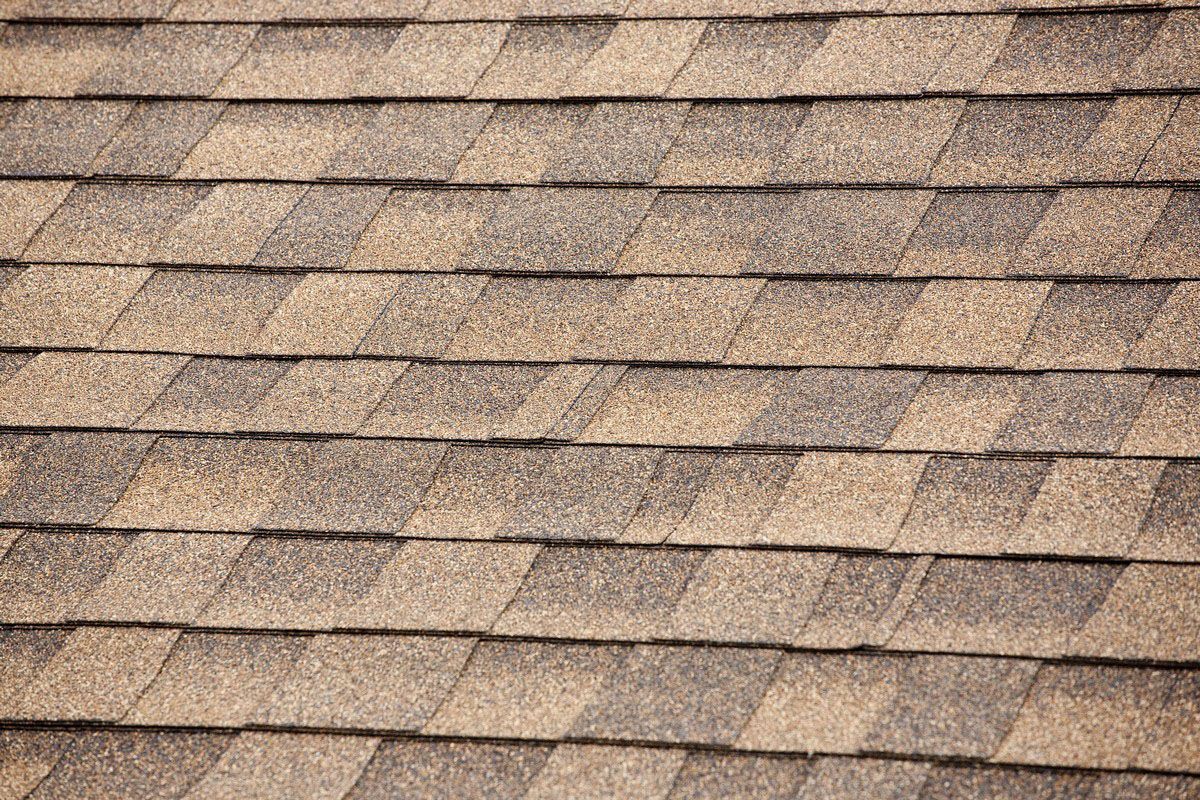
Architectural asphalt shingles are available in numerous colors, textures, and profiles that complement virtually every home design. Whether a homeowner prefers the appearance of natural wood, slate, or a contemporary finish, manufacturers offer products that closely replicate these premium materials.
Their dimensional appearance creates depth and shadow lines that improve curb appeal. Homeowners can coordinate roofing colors with siding, brick, stone, and landscaping to create a cohesive exterior design. UV-resistant granules also help preserve color over time, reducing noticeable fading caused by prolonged sun exposure.
This versatility makes architectural shingles suitable for traditional, colonial, craftsman, farmhouse, and modern homes alike.
5. Comparing Architectural Shingles to Other Roofing Materials
When comparing roofing materials, architectural asphalt shingles offer an excellent balance between cost and performance. Wood shingles provide a natural appearance but require considerably more maintenance and are more susceptible to moisture damage and insect activity.
Metal roofing delivers exceptional longevity but usually involves a significantly higher initial investment. Slate and tile roofs can last for decades but often require additional structural support because of their weight. Architectural shingles provide many of the visual advantages of premium materials while remaining affordable for the average homeowner.
Because they combine aesthetics, durability, and value, many roofers recommend architectural shingles for homeowners seeking dependable long-term performance without exceeding their budget.
6. Installation Considerations
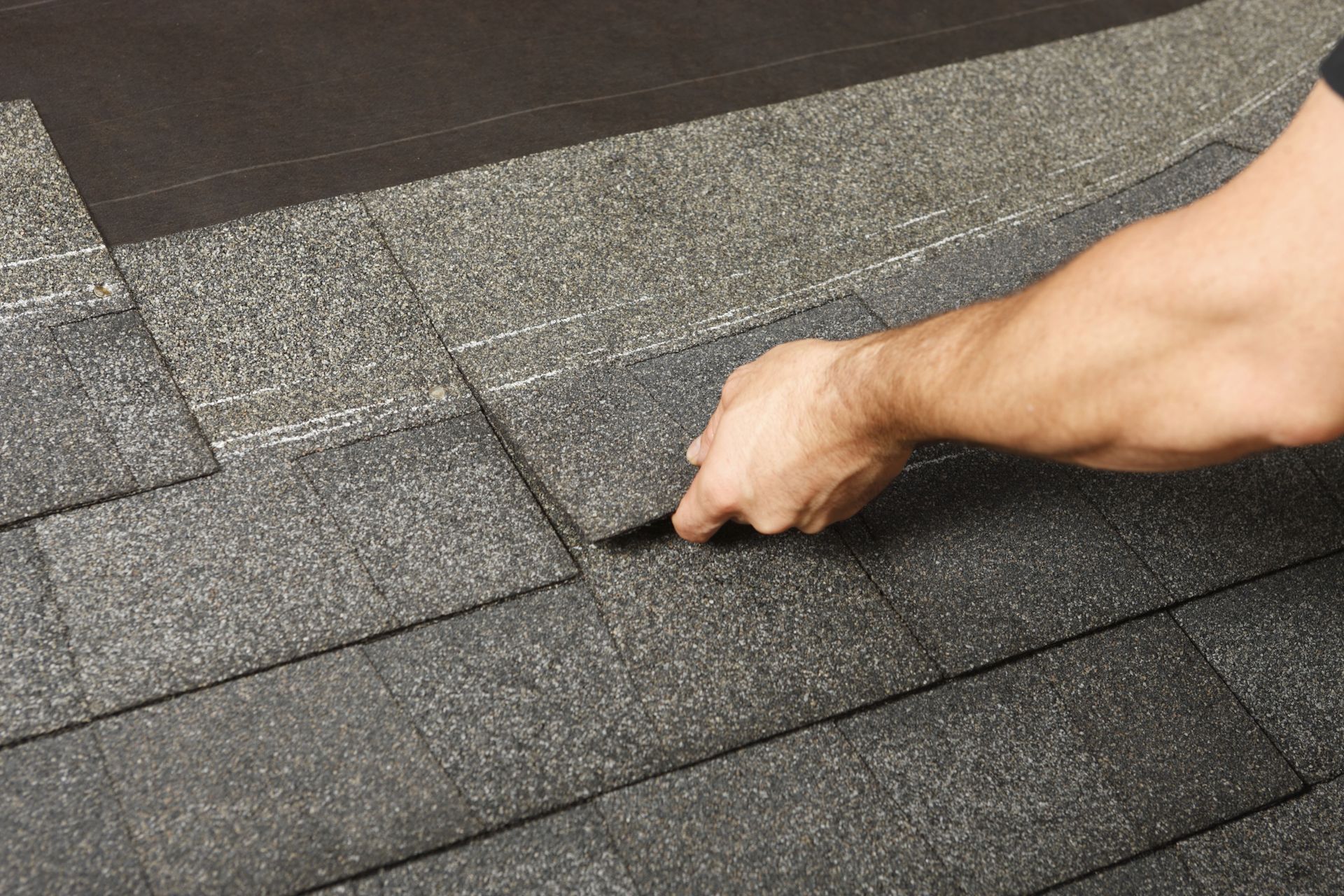
Proper installation plays a major role in determining how well architectural asphalt shingles perform throughout their lifespan. Even the highest-quality materials can fail prematurely if they are not installed according to manufacturer guidelines.
Roof slope, ventilation, underlayment, flashing, and weather conditions during installation all influence the finished result. Professional roofers have the experience necessary to identify hidden structural concerns before installation begins, helping prevent future issues that could shorten the roof's lifespan.
Although some homeowners consider installing shingles themselves, roofing work involves significant safety risks and requires specialized knowledge. Professional installation generally protects manufacturer warranties while delivering a more reliable finished product. Qualified roofers also follow local building codes and manufacturer requirements to help ensure long-term performance.
7. Financial Value Over Time
Architectural asphalt shingles provide strong long-term value despite costing slightly more than traditional three-tab shingles. Their extended lifespan reduces replacement frequency while their durability minimizes repair expenses over time.
A visually appealing roof may also improve resale value by enhancing first impressions for prospective buyers. Since the roof is one of the first features people notice, a well-maintained roofing system can positively influence a property's overall marketability.
Some energy-efficient products feature reflective granules that reduce heat absorption during warmer months. Better temperature regulation may lower cooling costs while improving indoor comfort throughout the year.
Depending on the product selected and local programs, homeowners may also qualify for rebates or incentives related to energy-efficient roofing materials.
8. Environmental Benefits
Modern manufacturing practices continue to improve the environmental performance of architectural asphalt shingles. Many manufacturers incorporate recycled materials into production while reducing waste and emissions throughout the manufacturing process.
After removal, asphalt shingles can often be recycled for use in road construction and other infrastructure projects instead of occupying landfill space. This recycling process helps conserve raw materials while supporting more sustainable construction practices.
Energy-efficient products featuring reflective coatings can reduce heat transfer into the home, decreasing reliance on heating and cooling systems. Improved insulation performance contributes to greater household energy efficiency while supporting broader environmental goals.
9. Potential Drawbacks to Consider
Although architectural asphalt shingles offer many advantages, they are not without limitations. Their lifespan remains shorter than premium materials such as slate or metal roofing, which can sometimes last 50 years or longer.
Extreme weather events may still damage shingles despite their improved durability. Falling tree limbs, severe hail, or prolonged exposure to standing moisture can require repairs or partial replacement. Homeowners should also recognize that quality varies among manufacturers, making product selection an important part of the purchasing process.
Routine inspections remain essential regardless of the roofing material chosen. Addressing minor concerns early helps prevent more extensive repairs later.
10. Consumer Satisfaction and Industry Outlook
Homeowners consistently report high satisfaction with architectural asphalt shingles because they provide an attractive appearance, dependable performance, and manageable maintenance requirements. Independent product testing frequently highlights their strong weather resistance, overall durability, and cost-effectiveness compared to competing roofing materials.
Industry professionals continue to recommend these shingles because manufacturers regularly introduce improvements in impact resistance, energy efficiency, and color technology. Ongoing innovations are expected to further increase their popularity as homeowners seek roofing systems that balance appearance, longevity, affordability, and environmental responsibility.
For many households, architectural asphalt shingles represent an excellent investment that delivers lasting protection while enhancing the beauty of the home. By selecting quality materials and partnering with experienced roofers, homeowners can enjoy reliable performance for decades while maximizing the value of their roofing investment. Contact our team at Mattucci Roofing today and learn more about our roofing services.