By Josh Edwards
October 15, 2026
Maintaining commercial and residential roofing structures against extreme weather conditions presents an ongoing challenge for property owners seeking to protect their physical assets. Traditional dark roofing materials, such as asphalt shingles, modified bitumen, and dark single-ply membranes, absorb immense amounts of solar radiation throughout sunny summer days. This intense absorption drives surface temperatures to extreme levels, creating severe thermal expansion and accelerating material degradation over time. As rooftop surfaces expand during daytime heating and contract rapidly during cooler evening hours, intense thermal shock weakens structural seams, creates microscopic surface cracks, deteriorates waterproofing seals, and degrades protective coatings. Furthermore, intense heat radiation transfers directly into underlying interior spaces, forcing air conditioning units to run continuously, increasing monthly energy utility expenses, and shortening mechanical equipment lifespans.
Applying high-performance reflective roof coatings offers an innovative, cost-effective defense strategy that addresses heat stress at its primary source. Reflective coatings contain specialized pigments and elastomeric polymers engineered to bounce solar radiation away from structural surfaces rather than absorbing thermal energy into the building envelope. By dramatically lowering surface temperatures, fluid-applied coatings protect underlying waterproofing layers, eliminate thermal expansion stresses, prevent seam separation, and slow the physical aging of roofing materials. Additionally, keeping rooftop surfaces cool significantly reduces heat transfer into living or working environments below, lowering indoor cooling demands and improving occupant comfort. Examining key protective mechanisms, energy savings, application techniques, and environmental benefits highlights how fluid-applied reflective systems transform vulnerable dark roofs into highly efficient, durable environmental shields.
Decreasing Rooftop Surface Temperatures and Minimizing Thermal Shock
Decreasing rooftop surface temperatures stands as the immediate primary benefit delivered by elastomeric reflective coating applications. Traditional roofing membranes can easily reach scorching surface heat levels during peak summer afternoons, far exceeding surrounding ambient air temperatures. Absorbing this relentless solar heat causes material expansion that places immense mechanical stress on structural fasteners, perimeter flashings, and membrane seams.
Fluid-applied coatings act as powerful thermal barriers, reflecting a vast majority of incoming solar rays back into the atmosphere before heat energy penetrates structural layers. Lowering surface temperatures stabilizes the entire roof structure, preventing violent thermal expansion and contraction cycles that pull seams apart over time. Engaging experienced roofers ensures that fluid coatings are applied at optimal thickness across all surface areas, protecting structural integrity and preventing seam failures caused by thermal shock.
Protecting Underlying Membranes and Shielding Against Solar Radiation
Protecting underlying waterproofing membranes against relentless ultraviolet solar radiation halts premature material breakdown and surface embrittlement. Exposure to ultraviolet light breaks down organic chemical bonds within asphaltic products, rubber membranes, and single-ply substrates, leading to surface chalking, blistering, cracking, and loss of flexibility. Once a membrane loses its natural flexibility, it becomes highly vulnerable to hail impacts, wind damage, and water leaks.
High-grade reflective coatings form a durable, seamless shield that absorbs and deflects destructive solar rays, preserving the underlying substrate’s flexibility and structural strength. This sacrificial protective barrier takes the brunt of environmental exposure, allowing primary waterproofing layers to remain fully intact beneath. Consulting certified roofers allows property owners to select advanced acrylic or silicone coating formulations specifically engineered to withstand heavy solar exposure and harsh weather elements.
Lowering Indoor Cooling Expenses and Enhancing Energy Efficiency
Lowering monthly energy consumption and reducing HVAC operating overhead represents a major financial driver for installing reflective coating systems. Traditional dark roofs act as massive thermal sponges, radiating trapped heat down into ceiling cavities, attic spaces, and upper living or working areas. Air conditioning systems must work continuously at full capacity to counteract this heat transfer, resulting in elevated utility bills and accelerated wear on cooling units.
Reflective roof coatings significantly reduce solar heat gain, maintaining interior temperatures at manageable levels with less mechanical air conditioning output. Lowering cooling demands decreases peak electrical usage, reducing carbon footprints and lowering operational utility costs for commercial and residential buildings alike. Partnering with skilled roofers guarantees proper surface preparation, allowing reflective systems to deliver maximum thermal performance and measurable energy savings season after season.
Expanding National Market Demand and Industry Adoption Trends
Expanding market adoption of advanced fluid-applied membrane systems reflects a growing national shift toward sustainable building maintenance strategies. Property owners, facility managers, and commercial real estate investors increasingly recognize that restoration coatings provide superior financial returns compared to complete structural tear-offs and costly material replacements. Growing environmental awareness, combined with stringent municipal energy codes, continues to drive demand for cool roof technology across the building sector.
Industry growth projections emphasize the long-term popularity and economic significance of reflective surface treatments nationwide. According to Market Research Future, the U.S. roof coatings market is projected to grow from USD 649.09 million in 2025 to USD 875 million by 2035, exhibiting a CAGR of 3%. Working alongside professional roofers enables building owners to capitalize on modern coating technology, ensuring full compliance with regional energy standards while extending overall roof longevity.
Eliminating Structural Seams and Preventing Water Intrusion
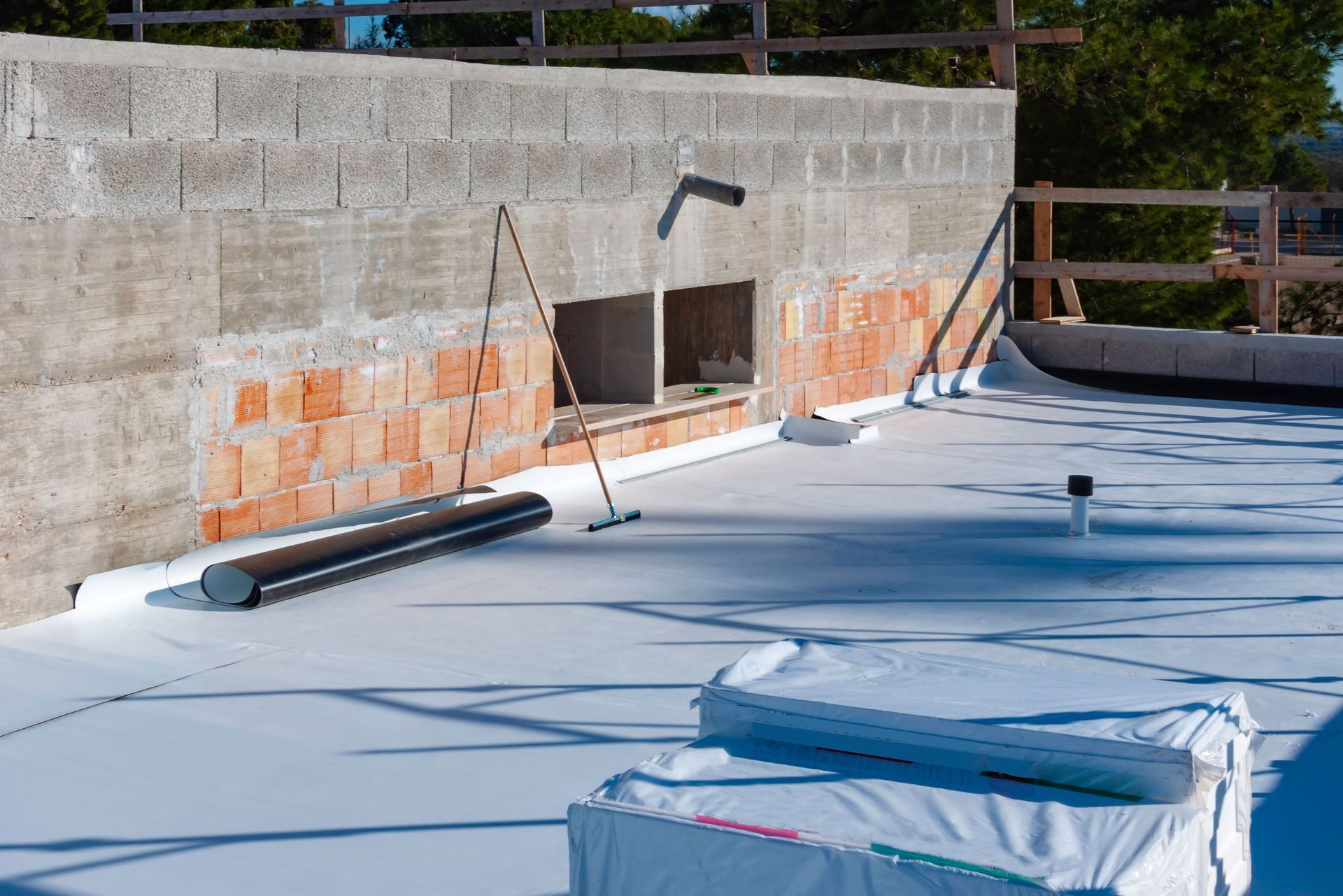
Eliminating vulnerable structural seams through fluid-applied membrane application provides comprehensive waterproofing protection across entire rooftop footprints. Traditional rolled roofing products require overlapping seams, mechanical fasteners, and adhesives, which naturally weaken over time due to weather exposure, wind uplift, and thermal movement. Water intrusion frequently originates along deteriorated seams, spreading horizontally beneath membranes before showing up as interior ceiling leaks.
Elastomeric coatings cure into a completely seamless, rubber-like protective blanket that covers every square foot of the roof, including complex flashings, mechanical penetrations, vents, and parapet walls. This continuous, fully adhered barrier seals existing hairline cracks and encapsulates potential leak points beneath an impenetrable layer. Relying on professional roofers guarantees precise detail work around roof penetrations and drains, ensuring complete watertight protection against heavy rainfall and standing water.
Avoiding Costly Tear-Off Expenses and Reducing Environmental Waste
Avoiding destructive structural tear-offs and reducing landfill waste represents a sustainable, budget-friendly advantage of restorative roof coatings. Replacing an aging commercial or residential roof generates immense volumes of construction debris, filling local landfills and incurring expensive tear-off labor fees, disposal costs, and permit charges. Furthermore, complete replacement projects leave interior spaces temporarily exposed to unexpected weather disruptions during active construction.
Restoration coating systems allow property owners to restore existing roofs without removing functional underlying materials, turning an aging roof into a fully restored, highly reflective asset. Applying reflective coatings over sound substrates preserves existing insulation layers, cuts project completion timelines, and eliminates unnecessary disposal fees while drastically reducing environmental impacts. Collaborating with trusted roofers ensures that your existing roof receives a thorough structural evaluation, confirming its suitability for a seamless, eco-friendly coating restoration.
At Mattucci Roofing, we are deeply committed to protecting your building’s structural integrity, reducing your energy costs, and delivering superior roof restoration solutions through master craftsmanship, high-grade coating materials, and dedicated customer care. Our team of certified restoration specialists brings extensive technical expertise, advanced application equipment, and meticulous attention to detail to every elastomeric coating application, silicone membrane installation, leak repair, and complete roof maintenance project we execute across our community. We take immense pride in evaluating your unique roof architecture, analyzing substrate conditions, recommending optimal reflective coating systems, and executing flawless applications that bring total thermal protection, seamless waterproofing, and lower utility bills to your property. Furthermore, our company prioritizes clear communication, transparent project estimates, clean jobsite management, and exceptional service performance from initial roof inspection through final quality assurance checks. We carefully examine every roof seam, flashing detail, mechanical penetration, and coating thickness level to guarantee maximum structural protection, flawless aesthetic appeal, and complete customer satisfaction. Contact us today to schedule your comprehensive roof restoration consultation and discover the true value of working with dedicated local roofing specialists.